Wet Strip Removal Project
We successfully completed a 3-month wet strip asbestos removal project in Cardiff City Centre.
As licensed specialists in asbestos removal, we understand the critical importance of safely and efficiently removing asbestos-containing materials while minimising the release of hazardous fibres.
In this blog, we will share our expert approach, highlighting our strict adherence to asbestos regulations and British Standards Institution, along with the advanced wet strip injection techniques we employ to protect workers, occupants, and the environment. Whether you are seeking insights into asbestos removal methods or looking for trusted professionals, this article provides valuable information on safe and compliant asbestos removal practices.
A 3-month wet removal project
The asbestos removal within Cardiff City Centre progressed successfully during the 3-month project we completed for one of our valued clients.
Asbestos removal is one of our specialist services, and this project demonstrated our expertise in the safe and controlled removal of asbestos-containing materials, using expert methods and machinery. Throughout the removal process, we strictly adhered to regulations and industry standards to minimise fibre release and ensure the safety of workers and occupants.
Our process of removing asbestos-containing materials
This was a licensed (notifiable) removal that required several 14-day notifications to be made to the HSE.
- It involved many different enclosure setups, and we carried out the multi-point injection removal method within one of the enclosures during the project week.
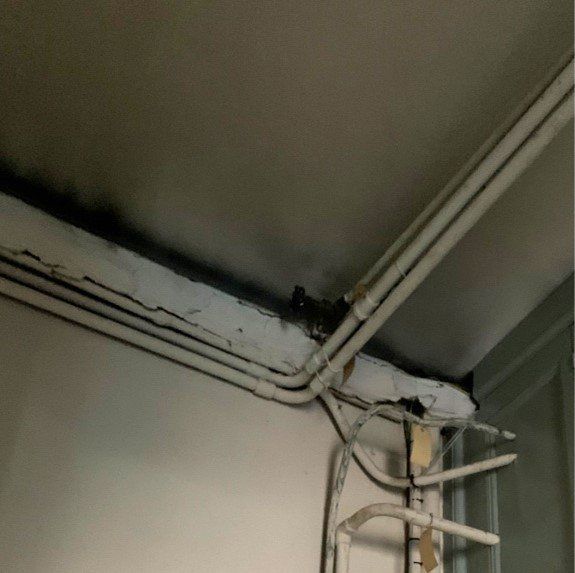
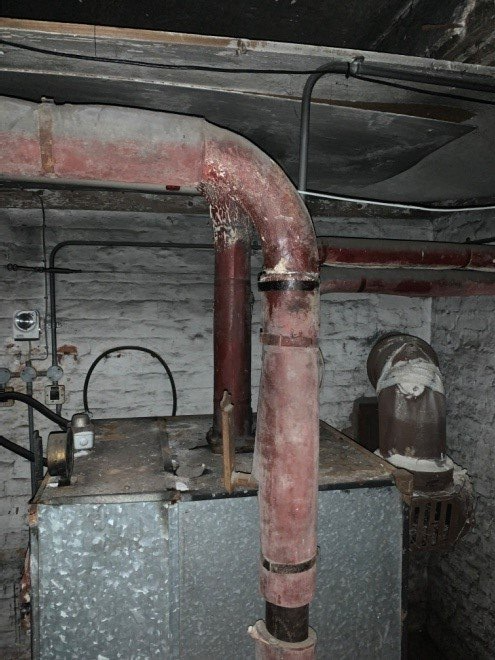
- Within these enclosures, we removed several different types of asbestos; we removed sprayed insulation from support beams above suspended ceilings, where a large amount of sprayed insulation residue was present, as well as asbestos pipe insulation.
- In the final weeks, we removed large amounts of pipe insulation throughout the site within many different enclosures, along with asbestos insulation boards in areas such as skylights and ceilings.
We not only carried out licensed asbestos removal within this site, but also removed non-licensed materials such as vinyl floor tiles, gaskets, textiles, and corrugated cement.
It was essential that we removed all asbestos-containing materials (ACMs) from the site to eliminate any potential exposure to asbestos fibres, which pose serious health risks when inhaled. Complete removal ensures the safety of workers, occupants, and future users of the building by preventing the spread of hazardous fibres to other parts of the property.
Controlled removal and strict asbestos regulations
A project like this required large amounts of planning and organisation from our project managers, Health and Safety Manager, site supervisors, and, of course, was overseen by the operations director to ensure everything ran smoothly throughout the whole process.
To allow us to carry out work as discussed above, we had to have an asbestos license and all the correct insurance and accreditations. This, along with over 20 years of experience in the industry, gave our clients the confidence to trust that we would deliver exactly what we proposed.
City Environmental Services: We're here to keep you safe
We are licensed asbestos removal specialists, providing services from strategic locations throughout the UK, safely and fully-compliant.
To learn more about our services, contact us through our website or drop us an email at info@ces-asbestos.com.
Frequently Asked Questions
What is wet strip asbestos removal, and why is it important?
Wet strip removal is a technique that involves the controlled wetting of asbestos-containing materials, using water and wetting agents, to minimise the release of airborne asbestos fibres during the removal process. This method significantly reduces health risks by suppressing fibre release, ensuring the safe removal and compliance with industry standards and regulations.
What equipment is used in the wetting process for asbestos removal?
Specialised equipment, such as wet strip injection machines, is used to inject wetting solutions directly into asbestos materials. These machines conform to British Standard BS 8520, which specifies performance standards for controlled wetting equipment. At City Environmental Services, we ensure that every machine, tool and technique we use is safe, compliant, and the best method for containing risks.
How does compliance with legal requirements impact asbestos removal projects?
Compliance with legal practices, including the Control of Asbestos Regulations 2012 and adherence to British Standards, is vital to protect workers, residents, and the public from asbestos exposure. Our project in Cardiff City Centre is the perfect example of a busy area, where the general public needs to be factored in. Following these regulations ensures that the removal process is conducted safely, with proper containment, use of personal protective equipment like respirators, and appropriate disposal of asbestos waste.
What are the benefits of using wet strip injection machines compared to dry stripping?
Wet strip injection machines provide a safer and more efficient technique by minimising airborne fibre release through controlled wetting. Unlike dry stripping, which can disrupt asbestos materials and increase fibre release, wet stripping reduces the risk of contamination and health hazards, making it the preferred method in the asbestos removal industry.
What safety measures and tools are essential during wet asbestos removal?
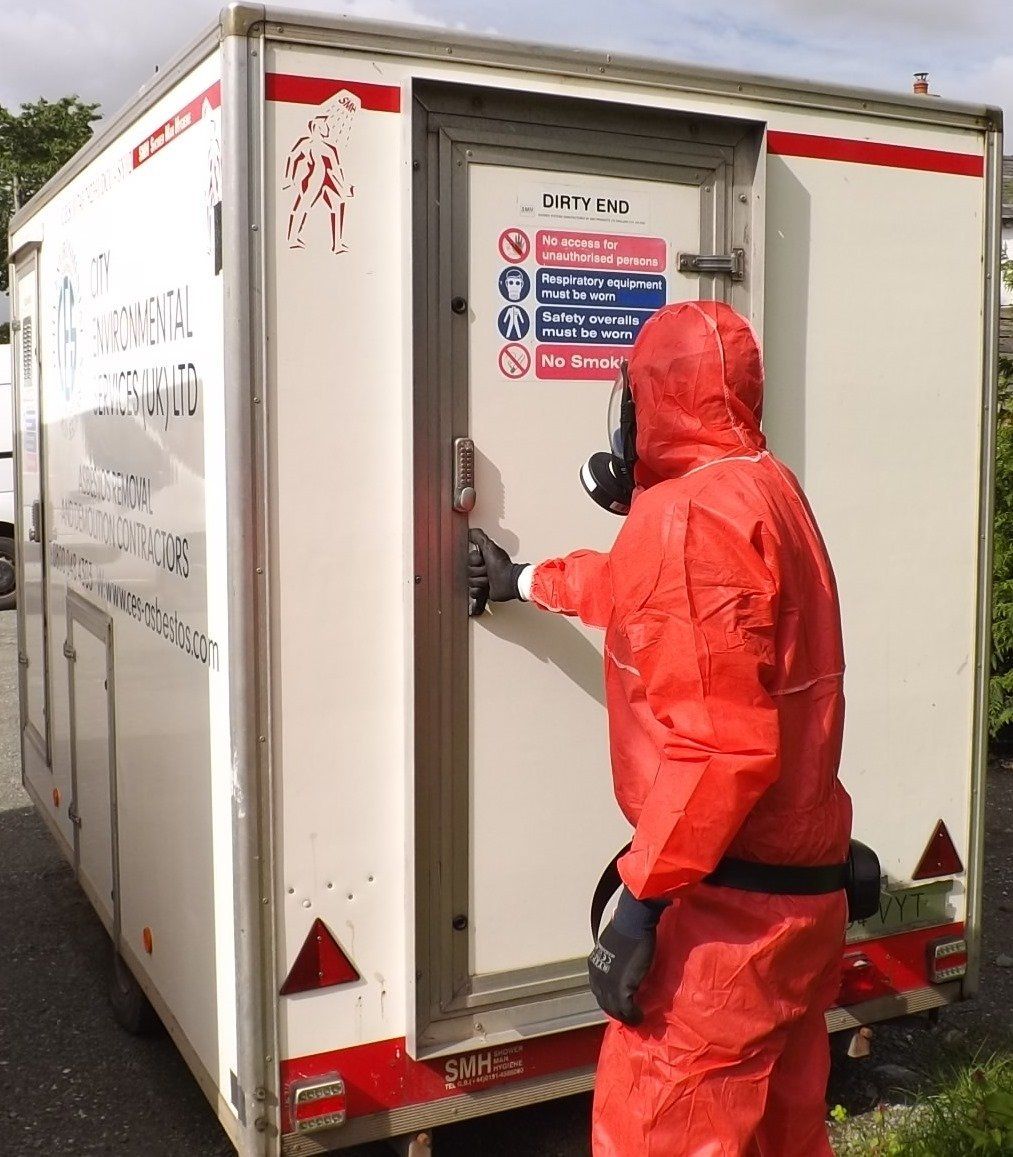
Essential safety measures include the use of PPE such as Type 5/6 coveralls and FFP3 respirators, establishing sealed containment zones, and rigorous cleaning and decontamination of tools and workers to prevent fibre spread. Only non-powered hand tools should be used to avoid disturbing asbestos fibres, and removed asbestos materials must be securely bagged for safe disposal.